





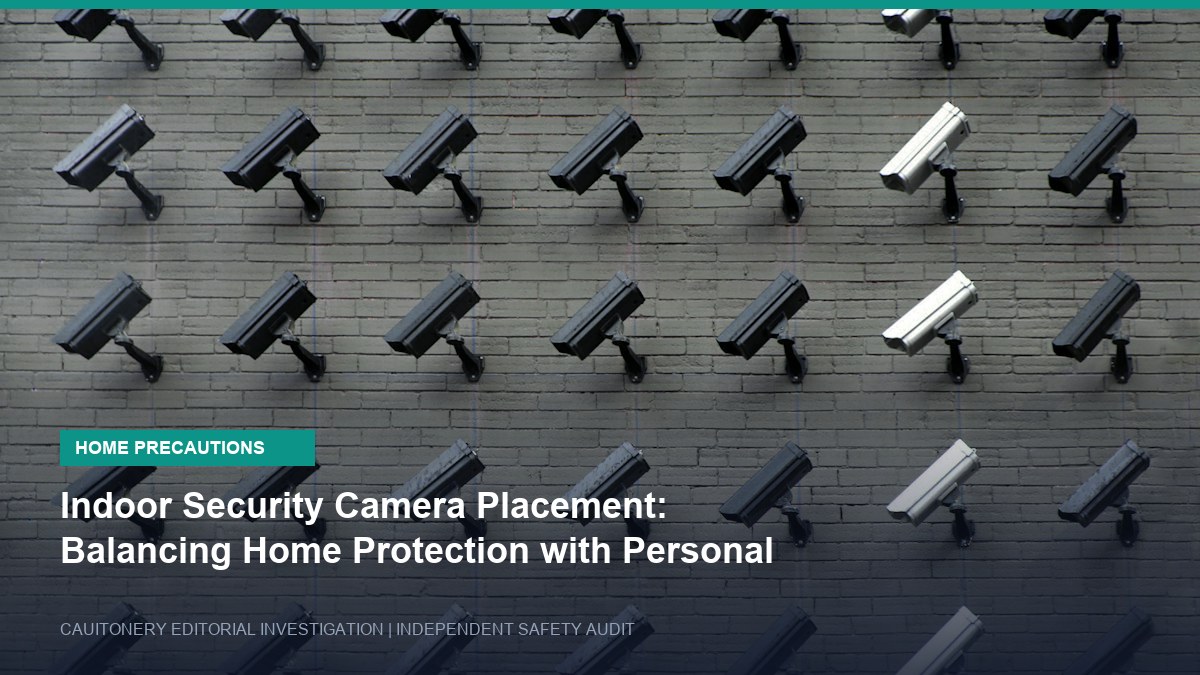
Indoor smart security cameras offer incredible peace of mind for monitoring pets, ensuring latchkey children arrive home safely, and verifying home security while away on vacation. However, placing cameras inside residential living areas introduces complex ethical and privacy dilemmas. Achieving optimal indoor security camera placement requires positioning lenses to monitor high-traffic intrusion pathways without creating an oppressive surveillance environment for family members and guests.
Strategic Coverage: Chokepoints Over Full Surveillance
The biggest mistake in home surveillance is attempting to blanket every individual room with cameras. Intruders do not materialize out of thin air; they must traverse predictable physical transit corridors to move between rooms. By focusing surveillance strictly on natural architectural chokepoints, you achieve 100% detection coverage while keeping private living spaces camera-free.
| Home Location | Surveillance Priority | Recommended Camera Angle | Privacy Assessment |
|---|---|---|---|
| Main Foyer / Entryway | Critical Top Priority | 7 – 8 Feet High, Angled at Entry Door | Zero Privacy Conflict (Public Transit Zone) |
| Central Hallways / Stairwells | High Chokepoint Priority | Longitudinal Sightline Covering Transitions | Low Privacy Concern |
| Living Room / Common Areas | Conditional (Pet/Child Check) | Oriented Toward Patio Doors; Physical Shutter | Moderate Privacy Concern |
| Bedrooms & Bathrooms | STRICTLY OFF-LIMITS | Never Install Cameras in Private Quarters | Severe Privacy & Legal Violation |
Best Practice Placement Rules for Optimal Footage
1. Position Cameras at 7 to 8 Feet Above Floor Level
Placing cameras too high near a 10-foot ceiling captures only the tops of people’s heads or hat brims, making facial identification impossible. Conversely, placing cameras on low coffee tables makes them easy to knock over or obscure. Mounting lenses between 7 and 8 feet angled downward at a 30-degree incline provides crisp facial recognition while keeping the hardware out of casual physical reach.
2. Avoid Direct Backlighting from Windows
Positioning a camera directly facing an unshaded exterior window creates severe backlighting contrast problems. The camera’s auto-exposure sensor will calibrate for the bright outdoor sunlight, plunging the foreground room into total darkness and turning intruders into featureless black silhouettes. Always position cameras perpendicular to natural light sources.
3. Isolate Camera Feeds on a Secure IoT Subnet
Cloud-connected security cameras are common targets for brute-force attacks and credential harvesting. Isolate your cameras on a dedicated Wi-Fi Guest network or IoT VLAN to ensure that a compromised camera cannot access your desktop computers or shared storage servers. Additionally, mandate strong two-factor authentication on all camera companion apps.
4. Prioritize Local Storage Over Unencrypted Cloud Streams
Whenever possible, select indoor security cameras that record footage locally to encrypted high-endurance on-board microSD cards or local Network Attached Storage (NAS) via RTSP streams. Storing footage locally ensures your private household video never resides on third-party cloud servers.
Frequently Asked Questions About Indoor Cameras
Is it legal to have security cameras inside my home?
In private residences, homeowners generally have the legal right to place cameras in common areas like hallways and entryways. However, placing cameras in areas where guests have a reasonable expectation of privacy—such as guest bedrooms or bathrooms—is strictly illegal.
How can I tell if my security camera has been hacked?
Signs of compromised cameras include erratic motorized panning when you are not using the app, unexpected clicking sounds from the internal IR filter, or unusual spikes in background upload bandwidth.


